A Revolution in the Treatment of Benign Prostatic Hyperplasia (BPH): HOLEP and ThuLEP Methods

A Revolution in the Treatment of Benign Prostatic Hyperplasia (BPH): HOLEP and ThuLEP Methods
Urinary difficulties, frequent urination, and intermittent flow—often the fearful dreams of aging men—are typically caused by Benign Prostatic Hyperplasia (BPH). While open surgery or standard resection (TUR-P) methods were the only options in the past, today, laser technologies (HOLEP and ThuLEP) have become the “gold standard” in treatment. So, what are these methods, and what advantages do they offer the patient?
What Causes Benign Prostatic Hyperplasia?
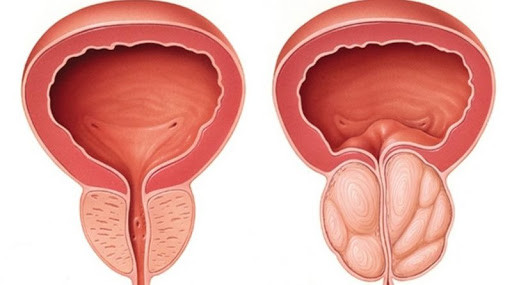
The prostate is a gland surrounding the urethra located at the bladder neck. With advancing age and hormonal changes, the prostate gland enlarges and compresses the urethra. This condition leads to Lower Urinary Tract Symptoms (LUTS), which significantly impair quality of life. When pharmacotherapy (medication) proves insufficient, surgical intervention becomes inevitable. This is where advanced laser technologies come into play.
What is HOLEP (Holmium Laser)?
HOLEP (Holmium Laser Enucleation of the Prostate) is a procedure where the enlarged portion of the prostate (adenoma) is completely separated from its capsule using laser energy. Describing this method with an “orange” analogy is often the most accurate way to visualize it.
In older methods (TUR-P), the inside of the orange was resected (scraped) piece by piece, occasionally leaving behind residual tissue. In the HOLEP method, the fruit of the orange (the enlarged prostate adenoma) is completely enucleated (peeled away) from its skin (the surgical capsule). The removed tissue is then morcellated (broken down) inside the bladder and extracted.
Who is a Candidate for HOLEP?
- Patients with very large prostate volumes (who were previously only candidates for open prostatectomy).
- Patients who are required to use anticoagulants/blood thinners (due to minimal bleeding risk).
- Patients concerned about the risk of recurrence.
What is ThuLEP (Thulium Laser)?
ThuLEP (Thulium Laser Enucleation of the Prostate) is a next-generation technology that operates on a similar principle to HOLEP but utilizes a different laser energy wavelength. The Thulium laser possesses highly effective cutting and hemostatic (blood-stopping) capabilities on tissue.
The distinct advantage over HOLEP lies in the laser energy’s shallower depth of penetration into the tissue. This results in less thermal impact on surrounding tissues and provides a clearer, widely “bloodless” field of vision for the surgeon. In terms of tissue healing and surgical comfort, ThuLEP is comparable to, and in some specific cases may be superior to, HOLEP.
What Are the Advantages of HOLEP and ThuLEP Methods?
Compared to traditional transurethral resection methods, Laser Enucleation offers our patients the following major advantages:
- Minimal Bleeding: The laser instantly coagulates vessels, significantly reducing the risk of hemorrhage.
- Shorter Catheterization Time: Patients are typically catheter-free within 1-2 days.
- Rapid Discharge: Most patients can return home 24 hours after the procedure.
- Preservation of Sexual Function: Laser methods generally do not damage the nerves responsible for erection (Nerve-sparing surgery).
- Low Recurrence Rate: Since the adenoma is anatomically removed in its entirety, the probability of disease recurrence is negligible.
- Pathological Evaluation: As the removed tissues are not burned or vaporized, they can be sent to pathology for accurate cancer screening.
HOLEP or ThuLEP? Which Should I Choose?
The question we frequently hear from patients is, “Doctor, which one is better?” The answer is: Both methods represent the state-of-the-art in modern urology. The differences between the two are microscopic, and the clinical outcomes regarding patient comfort are very similar.
The critical factor here is not the brand of the device, but the surgeon’s experience in laser enucleation. As a Urology Specialist, we determine the most suitable laser method based on the patient’s prostate anatomy, volume, and general health status.
Conclusion
Benign Prostatic Hyperplasia is not your destiny. Instead of living with the anxiety of constantly searching for a restroom, you can regain your health in a single day with modern methods like HOLEP or ThuLEP.
If you have urinary symptoms, do not delay. Consult a urologist to protect your kidney health.